Understanding Runoff Water Management During House Washing
House washing revitalises residential exteriors, stripping away accumulated grime, mould, lichen, and atmospheric pollutants. In Ipswich, where warm subtropical conditions accelerate organic growth on cladding and render, regular exterior washing is essential for long-term property maintenance. However, an often overlooked yet critical element of professional exterior cleaning is runoff water management. Without calculated containment and diversion strategies, the water running off your home can transport dirt, detergents, and residual chemicals directly into sensitive stormwater drains and surrounding garden beds.
Why Runoff Water Control Matters in Ipswich
Stormwater systems across Ipswich direct untreated surface water https://andyqlym958.sagecurrent.com/posts/surface-cleaners-vs-spray-wands-for-large-paved-areas directly into local waterways, including the Bremer River and various regional creek catchments. Unlike indoor plumbing, which routes wastewater to treatment facilities, curbside gutters and residential downpipes lead directly to natural habitats. Under Queensland environmental legislation and local Ipswich City Council regulations enforced in 2026, releasing contaminated water, chemical surfactants, or heavy sediment loads into public stormwater networks constitutes an environmental violation carrying substantial fines.
Beyond legal compliance, unmanaged runoff poses tangible risks to your private property. Cleaning agents and dislodged contaminants can alter soil pH levels, damage expensive turfgrass, and poison ornamental plants if allowed to pool indiscriminately around building foundations.
Essential Wastewater Containment Methods
Professional exterior cleaning contractors utilise advanced containment techniques to intercept wastewater before it leaves the immediate washing zone. Effective management requires a combination of physical barriers, controlled application volumes, and recovery hardware.
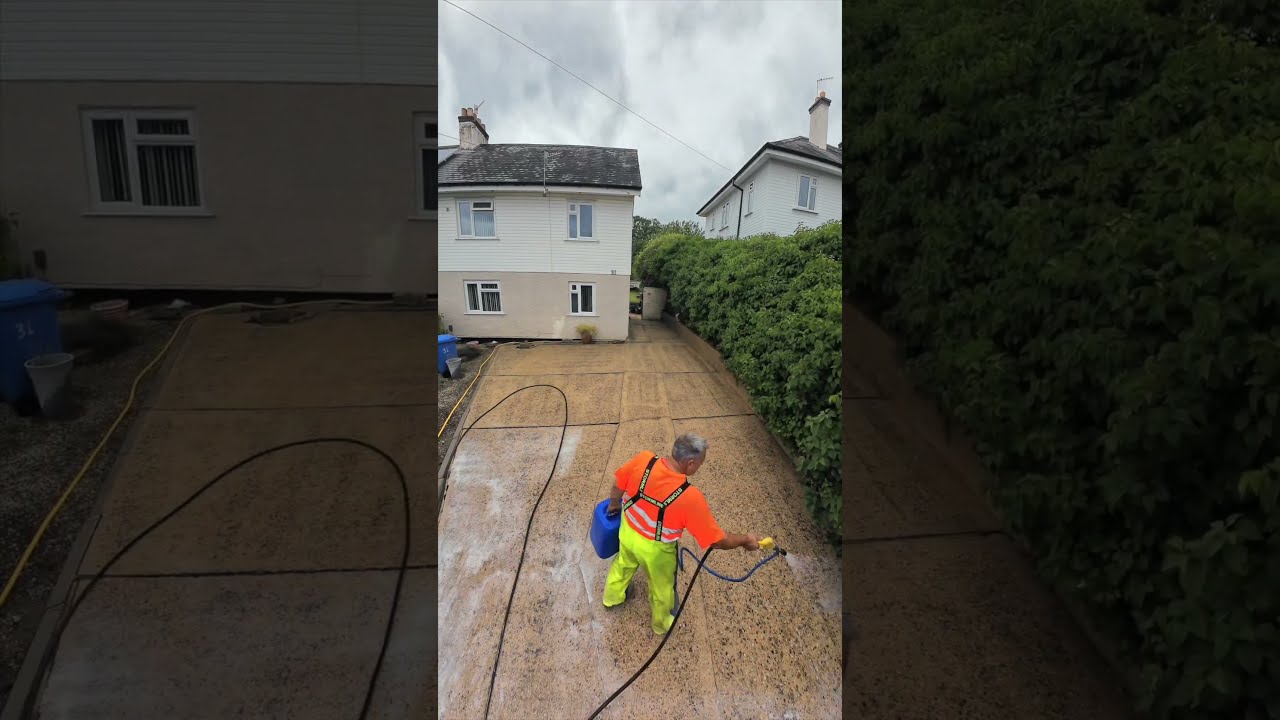
- Drain Isolation: Technicians place heavy-duty drain covers, inflatable plugs, or magnetic seals over nearby stormwater grates to ensure zero discharge enters the local drainage system.
- Berms and Diversion Booms: Weighted containment berms are deployed across driveways and concrete aprons, redirecting pooled water away from municipal kerbs and into designated collection points.
- Vacuum Recovery Systems: Modern washing operations incorporate mobile wet-vacuum extraction units that capture pooled runoff in real time, storing it in dedicated holding tanks for lawful off-site disposal or neutralisation.
- Landscape Pre-Hydration: By soaking garden soil and delicate shrubs with fresh water before and after detergent application, technicians saturate the root zones, preventing vegetation from absorbing concentrated cleaning solutions.
Eco-Friendly Washing Solutions in 2026
The exterior cleaning industry in 2026 increasingly emphasises soft washing—a low-pressure technique relying on tailored biocidal treatments rather than high-pressure blasting. Because soft washing uses targeted chemical solutions to neutralise algae and spore networks, the chemistry of the runoff requires strict oversight.
Certified technicians use biodegradable surfactants designed to break down rapidly upon contact with organic matter. Furthermore, neutralising agents are applied to surfaces prior to final rinsing when sodium hypochlorite-based solutions are used, rendering the remaining liquid completely safe for natural soil absorption.
What Homeowners Should Verify Before Booking a Service
Protecting your property and complying with local environmental expectations requires partnering with fully equipped professionals who treat wastewater management as a priority rather than an afterthought.

- Inquire About Containment Gear: Confirm that the service provider carries drain seals, diversion berms, and water extraction equipment on their service rigs.
- Review Chemical Data: Ensure all detergents and wash agents are fully biodegradable and compliant with Australian environmental safety benchmarks.
- Check Downpipe Disconnection Protocols: Verify that downpipes connected to rainwater harvesting tanks or stormwater channels are temporarily disconnected or diverted during the washing process.
- Confirm Public Liability Insurance: Ensure the contractor holds current liability policies specifically covering accidental environmental contamination or property damage.
By understanding and enforcing responsible runoff management during house washing, Ipswich homeowners safeguard their gardens, avoid council infringements, and actively protect the waterways that sustain the wider regional ecosystem.
Ipswich Pressure Cleaning Pros
(07) 3278 0498